



Lorem Ipsum is simply dummy text of the printing and typesetting industry. Lorem Ipsum has been the industry's.
States and Cities Move to Ban Cryptocurrency Kiosks
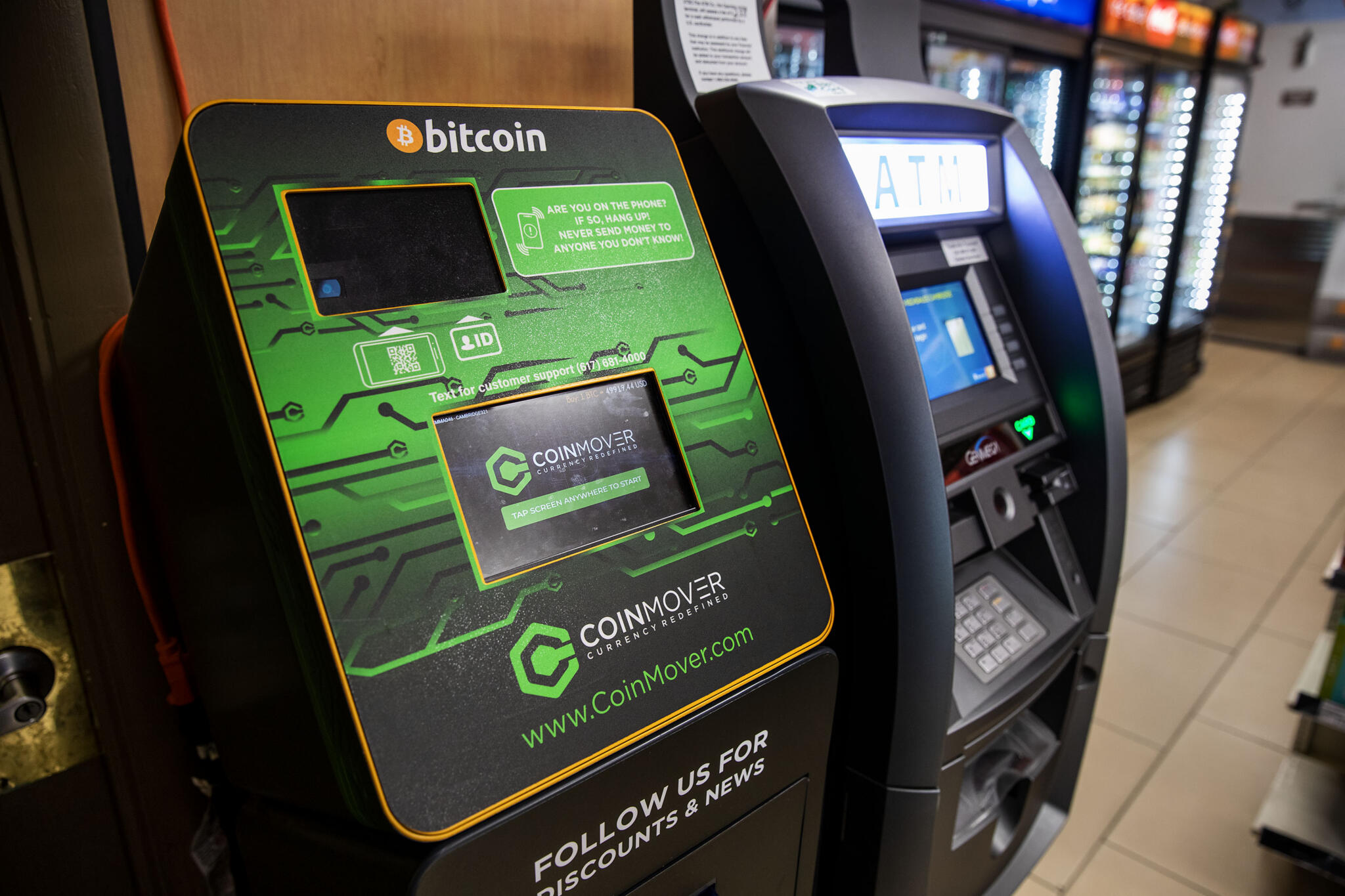
Many states and cities are now moving to ban cryptocurrency kiosks. Local leaders want to stop these machines because they are often linked to financial scams. Officials hope that removing the kiosks will keep residents from losing their hard-earned money to criminals.
Why are states banning cryptocurrency kiosks?
Government officials are worried about the rise of cryptocurrency and crime in local neighborhoods. Scammers often tell people to go to a nearby kiosk to send money quickly. Once the money is sent through the machine, it is almost impossible to get it back. This has led to many people losing their savings in just a few minutes.
By banning these machines, cities hope to create a barrier for criminals. If a scammer cannot tell a victim to walk to a local store to pay, the scam might fail. Many people do not realize how dangerous these machines can be until it is too late. Stopping the spread of these kiosks is a way for the law to catch up with new types of theft.
What are the main risks of crypto machines?
- Scammers use them to hide where stolen money is going.
- The machines are often found in places where people do not have bank accounts.
- Transactions happen fast and cannot be reversed by a bank.
- Many users do not understand how cryptocurrency works before they use it.
These kiosks look like normal bank machines, which gives people a false sense of safety. They are often placed in gas stations or small shops where there is no one to help if something goes wrong. When a person puts cash into the machine, it turns into digital coins and moves to a private wallet. This speed is exactly what criminals want when they are trying to trick someone.
How does this ban affect regular people?
For most people, these bans mean they will have to use a computer or a phone app to buy digital coins. While this might be less convenient, it is often much safer than using a random machine on the street. Apps and websites usually have more security checks to make sure the user is not being tricked. This change helps protect the most vulnerable people in the community who might not be tech-savvy.
People who use these machines for honest reasons will need to find new ways to manage their digital assets. They might need to sign up for a regulated service to keep their money safe. This shift shows that the government is taking digital money more seriously than before. It is a sign that the "wild west" era of these machines is starting to come to an end in many areas.
What will happen next with crypto laws?
We should expect to see more cities and states look at these bans as a way to lower crime rates. If the bans work, other parts of the country will likely follow the same path. Police departments are already sharing data about how these machines are used in local fraud cases. This data makes it easier for lawmakers to pass new rules against the kiosks.
In the future, any kiosk that stays open might have to follow much stricter rules. They might need to show big warning signs or limit how much money a person can send at one time. For now, the trend is moving toward removing them entirely to keep the public safe. Watching how these local bans play out will tell us a lot about the future of digital money in our daily lives.




0 Comments